Lorenzo v. San Francisco Zen Center
Case Snapshot
Religious groups should be free to choose and govern their ministers without government interference. But a California court has weakened that protection by letting a wage-and-hour lawsuit against San Francisco Zen Center move forward, forcing religious groups into piecemeal litigation over whether judges may intrude into disputes at the heart of religious life. Becket is urging the California Supreme Court to take the case and restore a clear rule that protects faith communities from being hauled into court over how they form and direct their ministers.
Status
Share this Case
Case Summary
A minister’s wage lawsuit puts religious freedom at risk
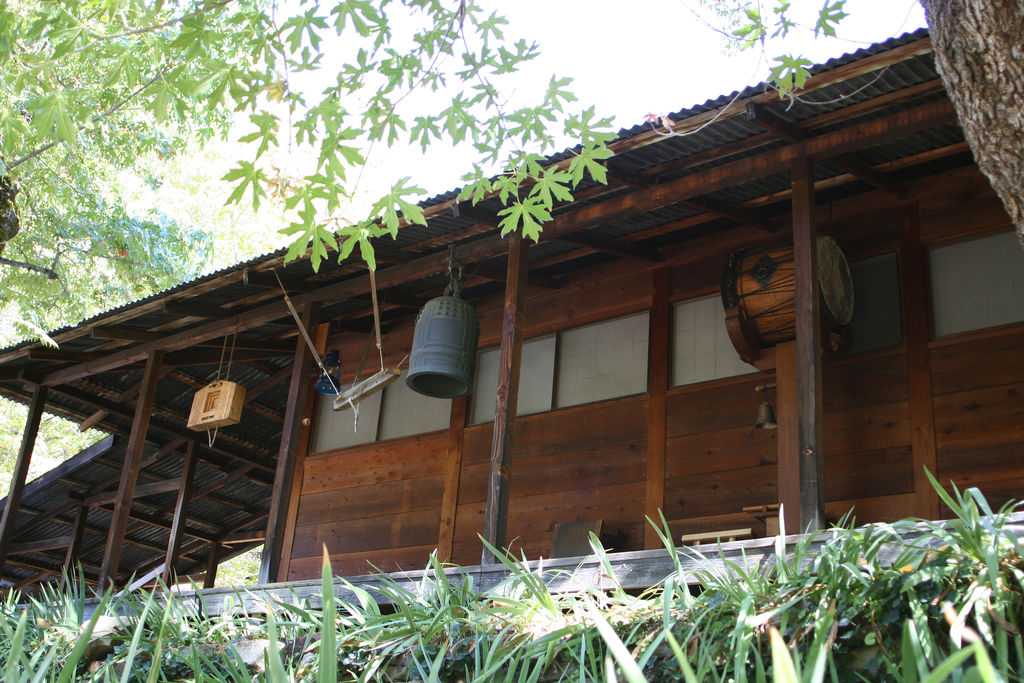
San Francisco Zen Center is a nonprofit Sōtō Zen Buddhist institution that operates residential training programs at three practice sites: City Center, Tassajara Mountain Center, and Green Gulch Farm. Participants in these programs live on site as monks and follow a structured religious discipline that includes meditation, worship, study, and “work practice,” which the Zen Center treats as an integral part of spiritual formation rather than ordinary employment.
Annette Lorenzo entered the Zen Center’s residential training program, lived on site, and participated in work practice as part of that religious formation. After leaving the program, she filed a claim and later sued seeking back pay—minimum wage and overtime—for the years she spent living and training at the Zen Center. The Zen Center argues that courts should not referee disputes between a religious community and its ministers.
A dangerous rule that leaves religious communities exposed
A trial court ruled in favor of the Zen Center. But the California Court of Appeal reversed and allowed the case to proceed. Instead of applying a clear rule that protects religious communities from these disputes, the court required the Zen Center to fight claim-by-claim and show that resolving the case would force a court into religious questions. That approach leaves religious groups exposed to years of litigation and pressures courts to second-guess a religious group’s beliefs—deciding what parts of spiritual formation are “religious” and what parts are not.
Becket urges California high court to restore a clear boundary for all faiths
On January 29, 2026, Becket filed a friend-of-the-court letter, urging the California Supreme Court to take the case and restore a straightforward rule: civil courts should not referee disputes between ministers and their religious organizations. President Garvey’s brief warns that the decision below wouldharm Catholic groups and other faith-based organizations by forcing them to defend their spiritual practices in endless lawsuits. The U.S. Supreme Court has long recognized this protection, including in Becket cases such as Hosanna-Tabor Evangelical Lutheran Church and School v. EEOC and Our Lady of Guadalupe School v. Morrissey-Berru, which affirm that religious communities—not courts—have authority over their ministers.
Importance to religious liberty:
- Religious communities: The First Amendment upholds special regard for the authority of religious institutions to govern themselves and ensure their distinctive religious ways of life, whether they be in fashion or not with state regulators.